 EPOCLASSIC
EPOCLASSIC
EPOCLASSIC
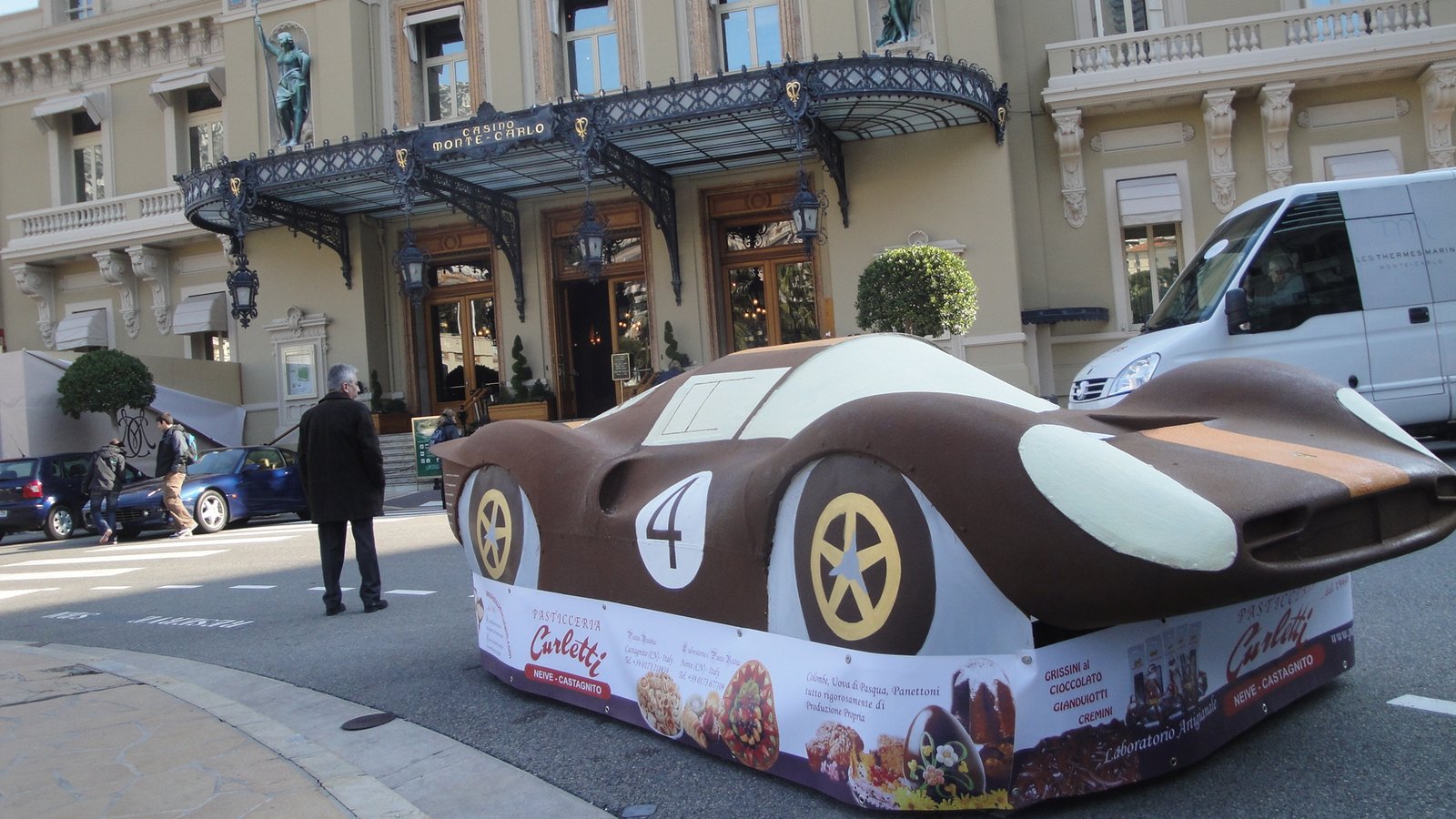
EpoClassic Experience · 2013
Monte Carlo, 2013. A Ferrari 330 P3/P4 — one of the most celebrated silhouettes in endurance racing history — presented in a deep Chocolate livery, against the backdrop of the Principality.
The P3/P4 needs little introduction: born from Ferrari's battle with Ford at Le Mans, it remains for many the most beautiful sports prototype ever built. Seeing one outside a museum is rare; presenting one in an unconventional period-correct colour, in the streets where racing legend was written, rarer still.
The presentation drew collectors and enthusiasts from across Europe, and stands among the moments that consolidated EpoClassic's presence in the international concours and collector community.
Back to Events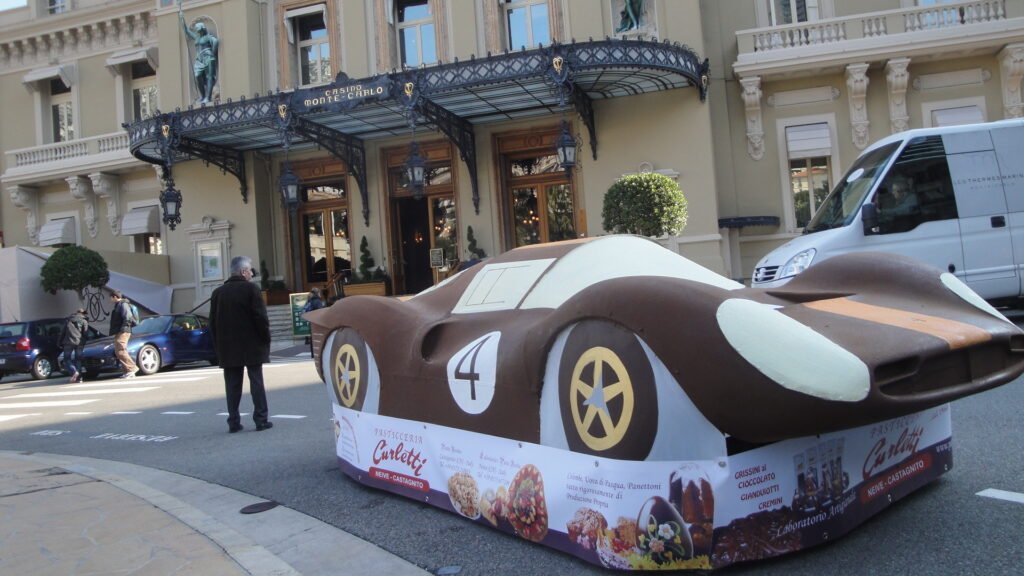
The Automobile
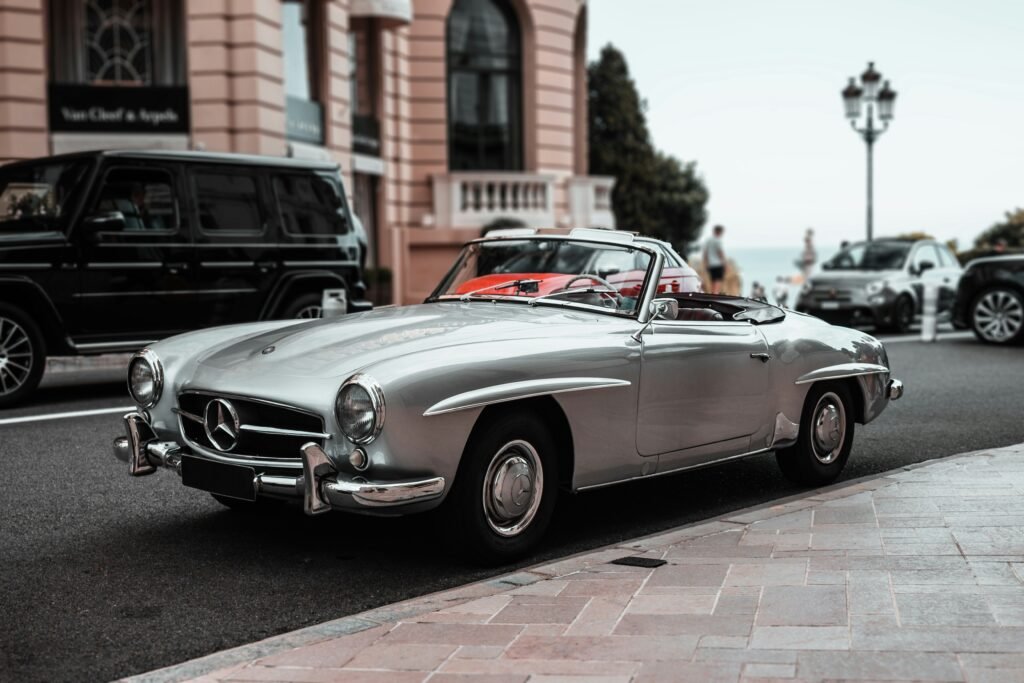
Born from Ferrari's duel with Ford at Le Mans, the 330 P3/P4 won the 24 Hours of Daytona in 1967 with the famous three-abreast finish, and remains for many the high point of sports prototype design. Presenting one in the streets of Monte Carlo — in a deep period-correct Chocolate rather than the expected red — turned an exhibition into an event.
Collectors and enthusiasts travelled from across Europe for it. For EpoClassic, it remains a reference point: the proof that how an automobile is presented matters almost as much as the automobile itself.
| Automobile | Ferrari 330 P3/P4 |
| Livery | Chocolate — period-correct |
| Venue | Monte Carlo, Monaco |
| Year | 2013 |
| Heritage | Daytona 1967 · Le Mans programme |