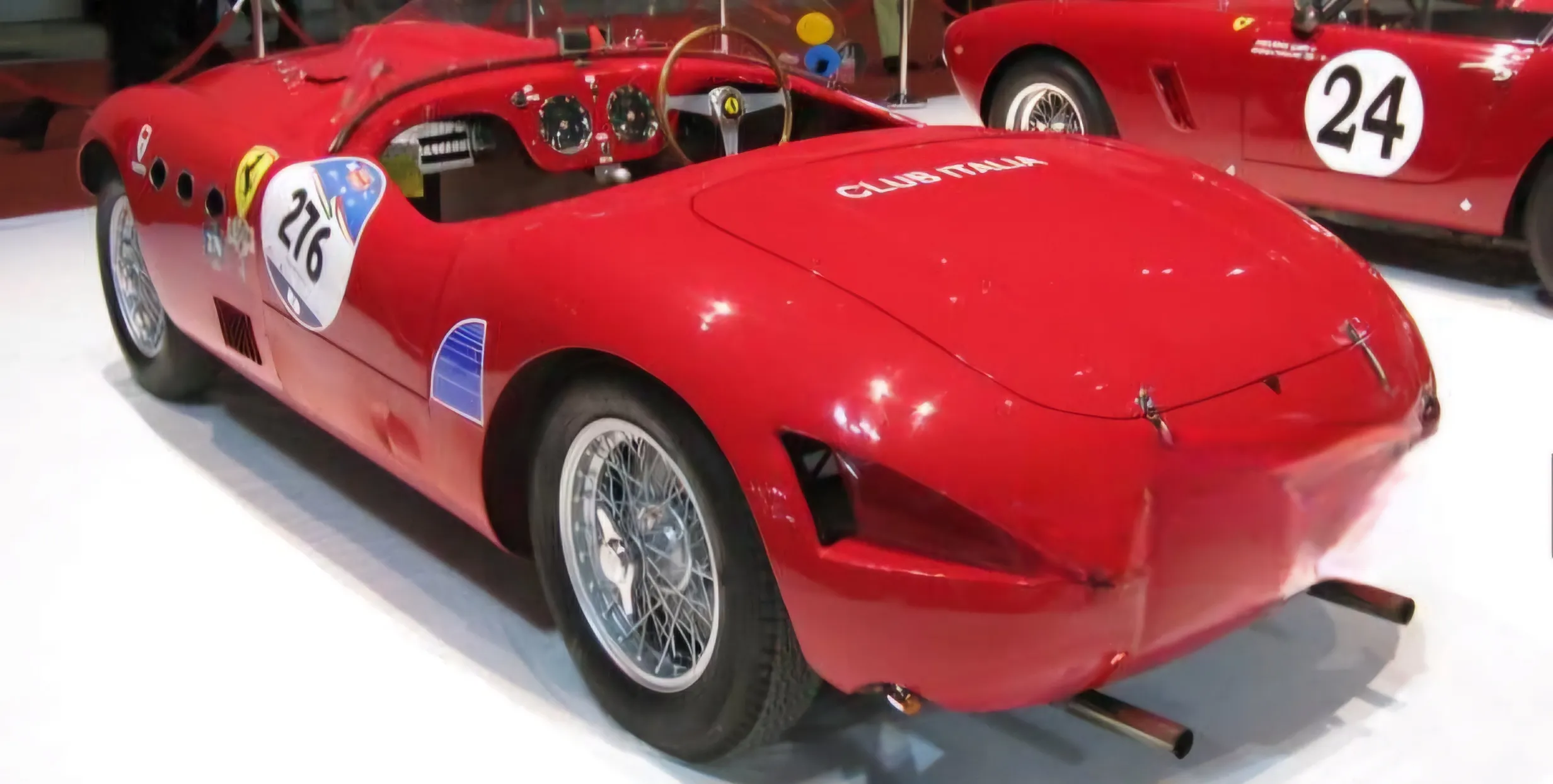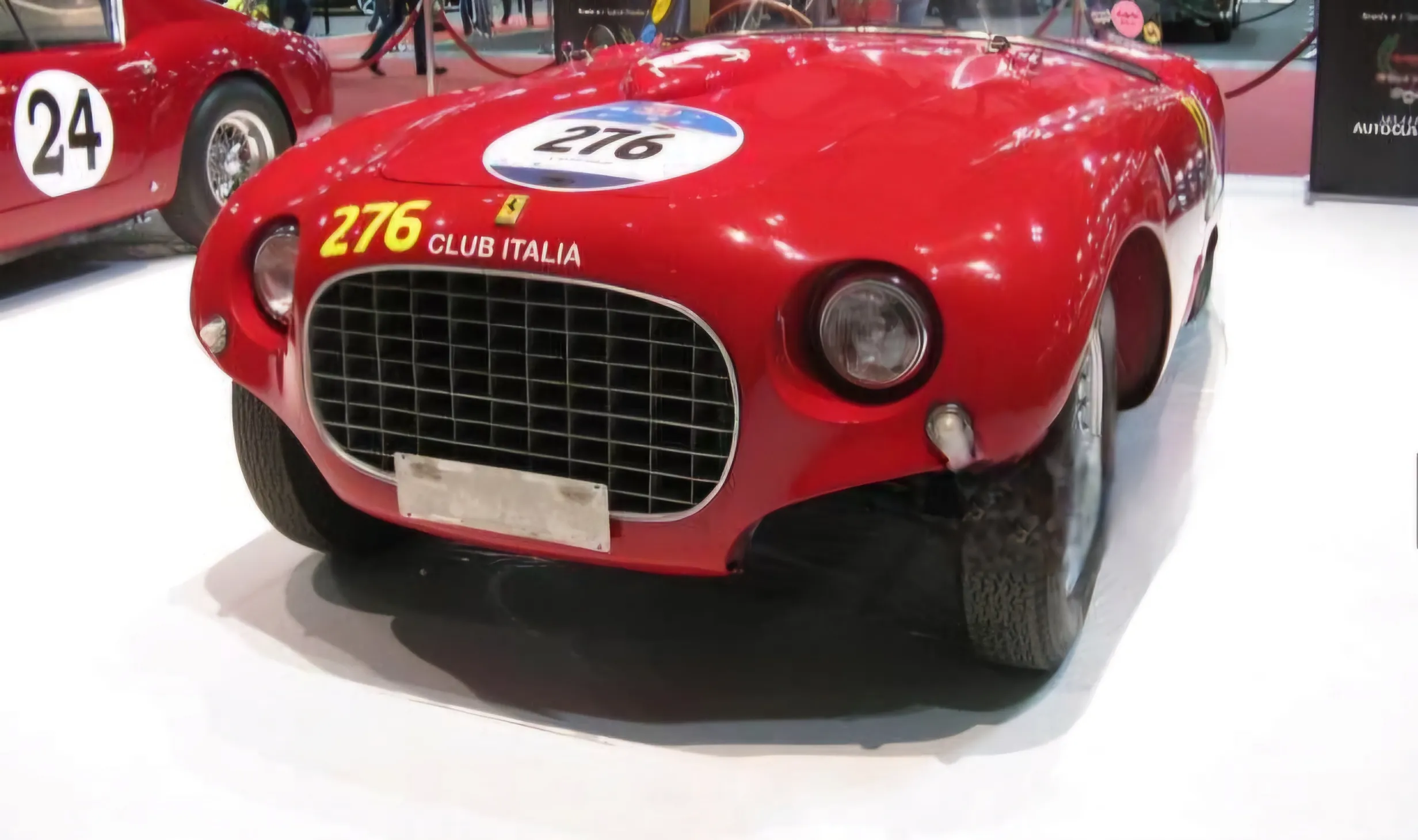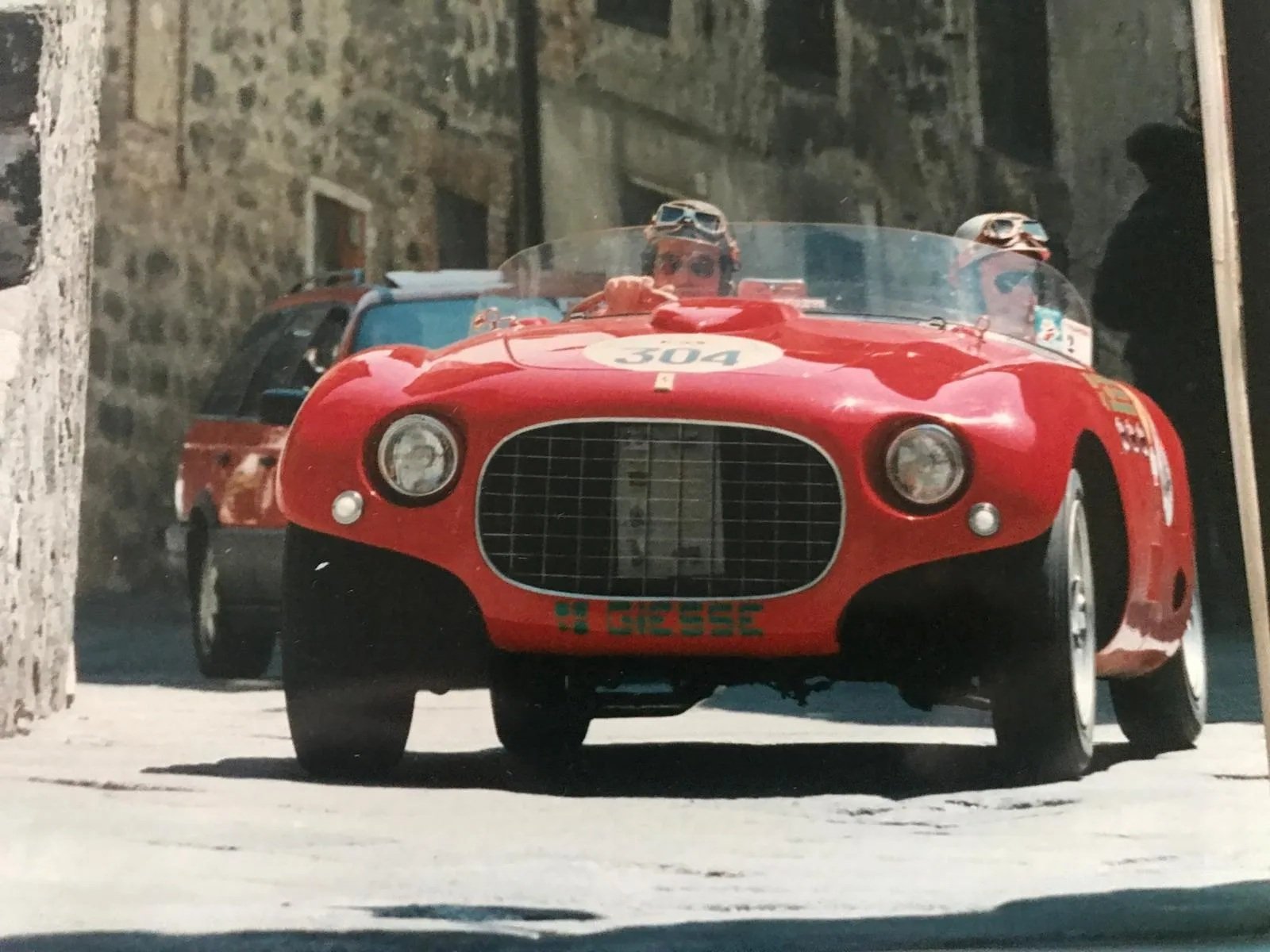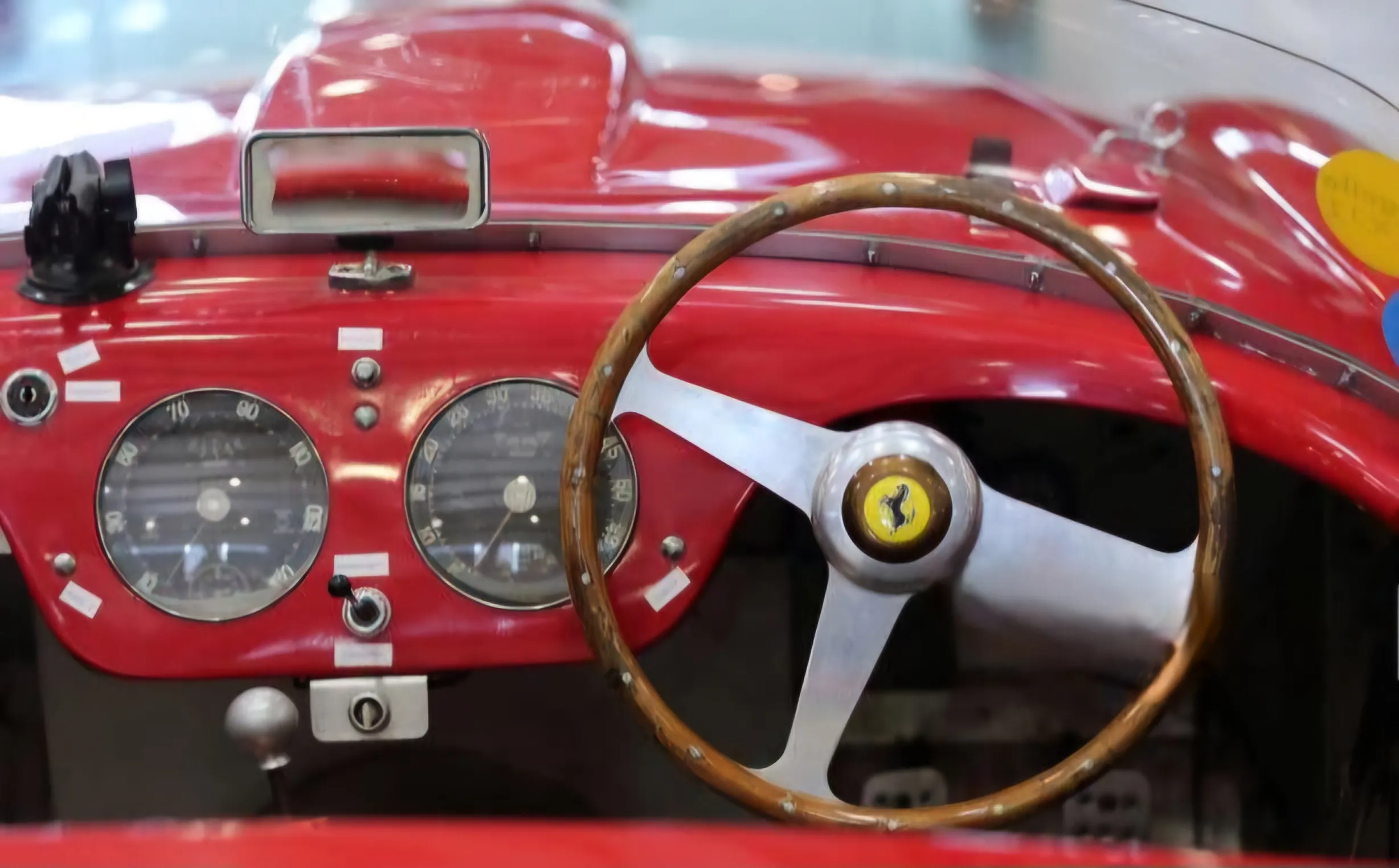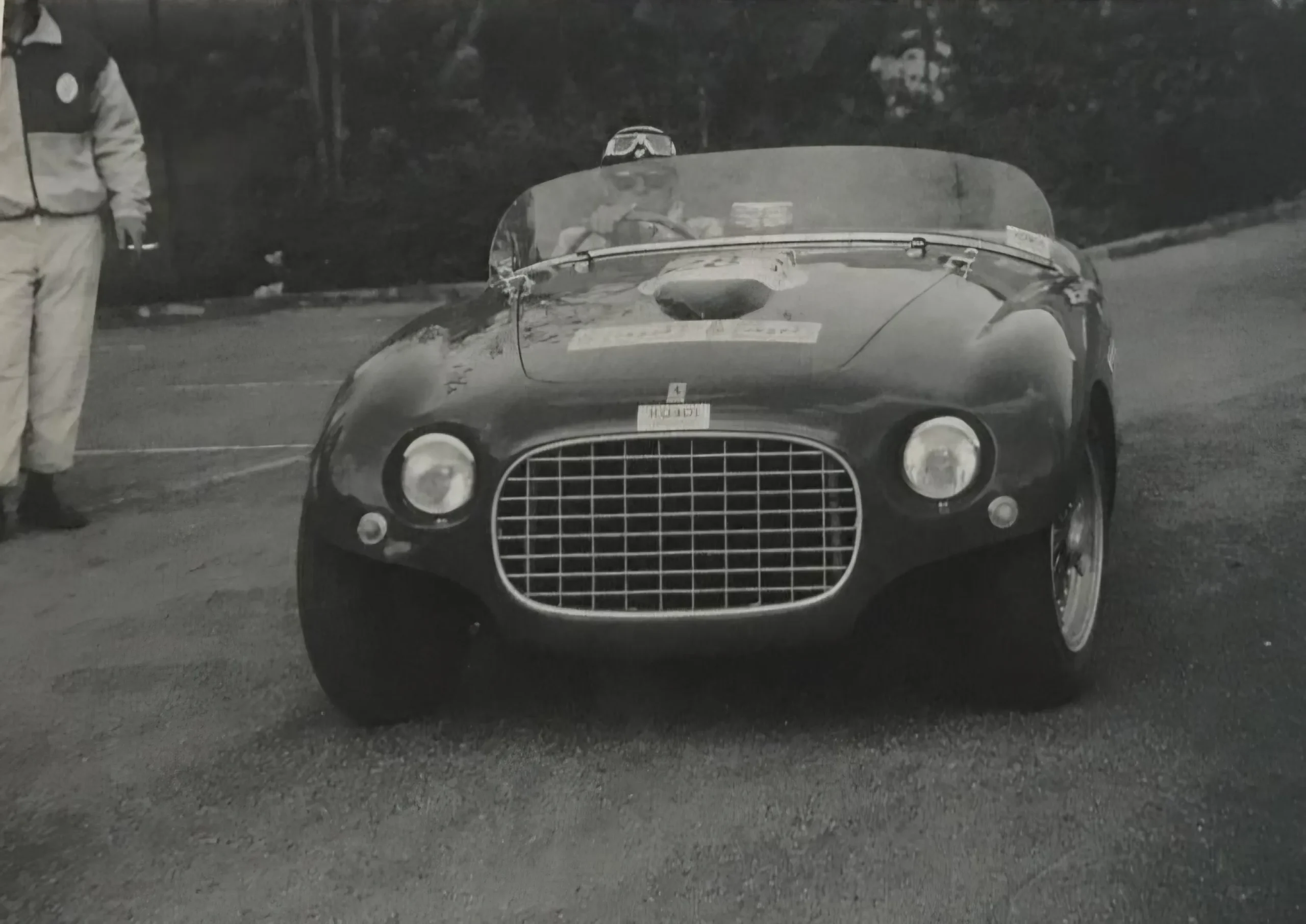
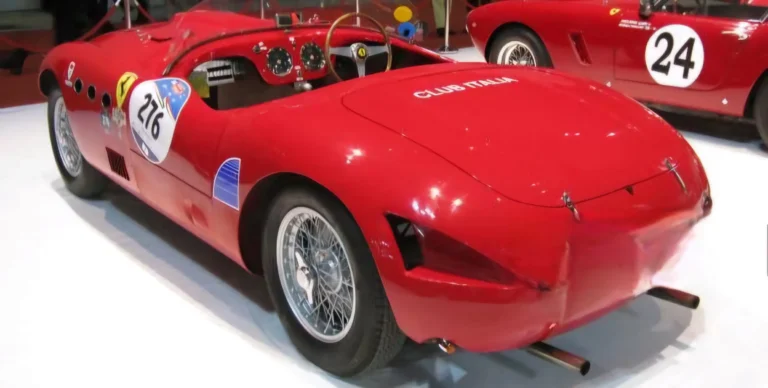
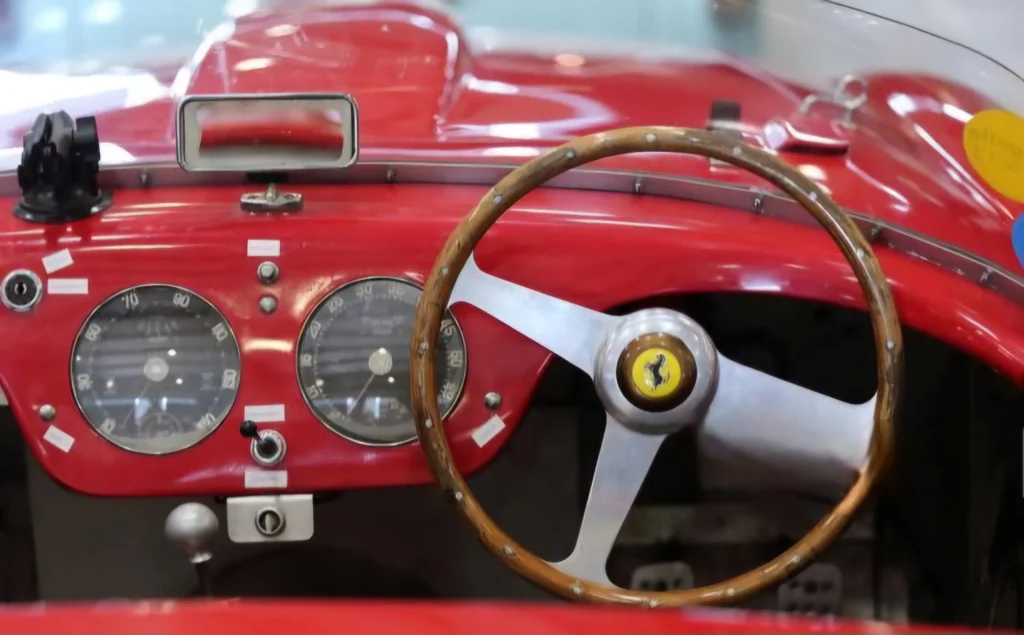
1953 Ferrari 250 MM
A documented race history including the Mille Miglia.
Scuderia Guastalla provenance.
One of the most significant sports-racing Ferraris of the early 1950s.
FIVA certificate
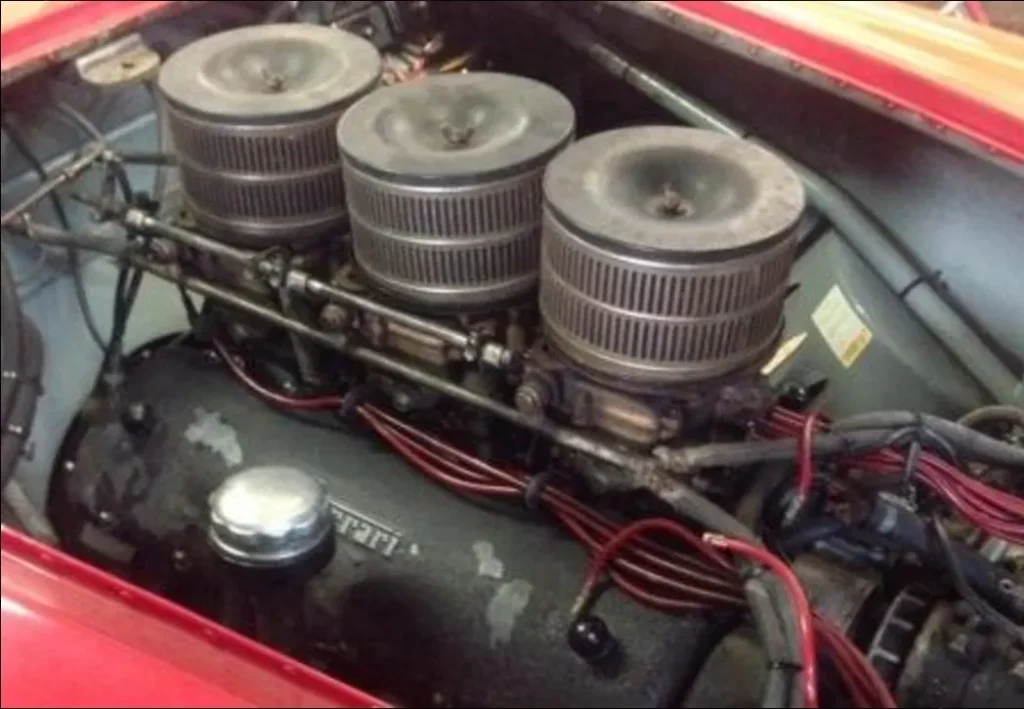
The Ferrari 250 MM
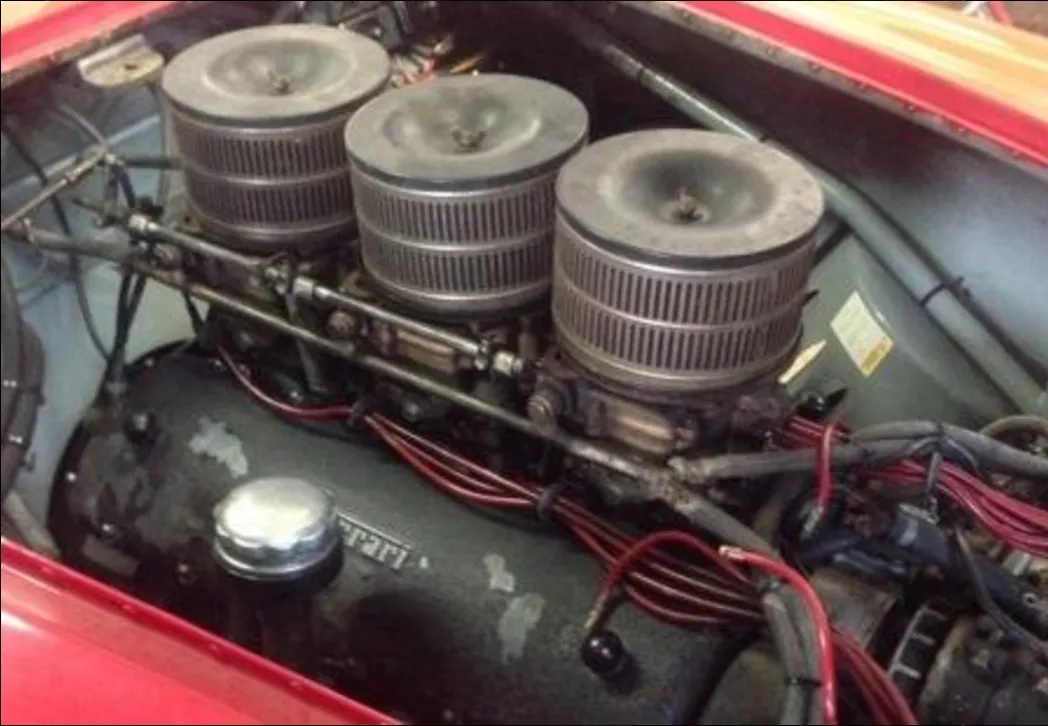
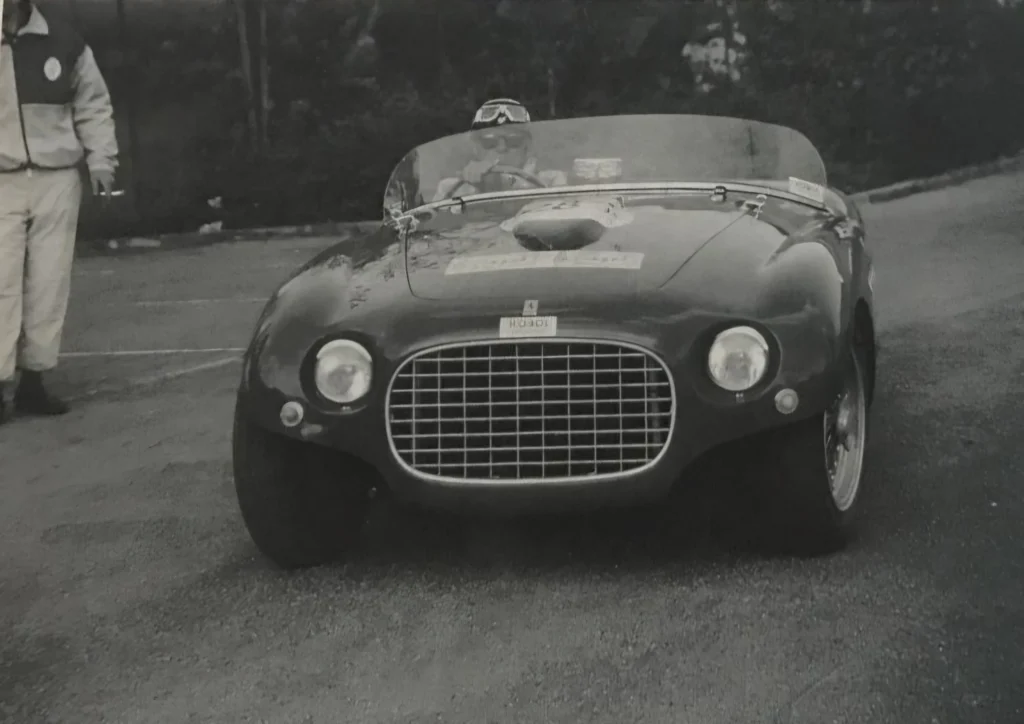
In 1953, Ferrari was at war. The battle for supremacy in sports car racing demanded constant evolution, and the 250 MM was Ferrari’s answer. Built around the legendary Colombo-derived V12 and clothed in bodywork conceived for speed, it was developed specifically to compete at the highest level. Furthermore, the 250 MM took on the Mille Miglia, Le Mans and the Targa Florio — the greatest road races of its era. Moreover, it did so with remarkable success, establishing the 250 series as the cornerstone of Ferrari’s most celebrated racing chapter. Today, fewer than 20 examples are believed to survive. Each one is a direct witness to one of the most extraordinary periods in motorsport history.
A Season of Dominance
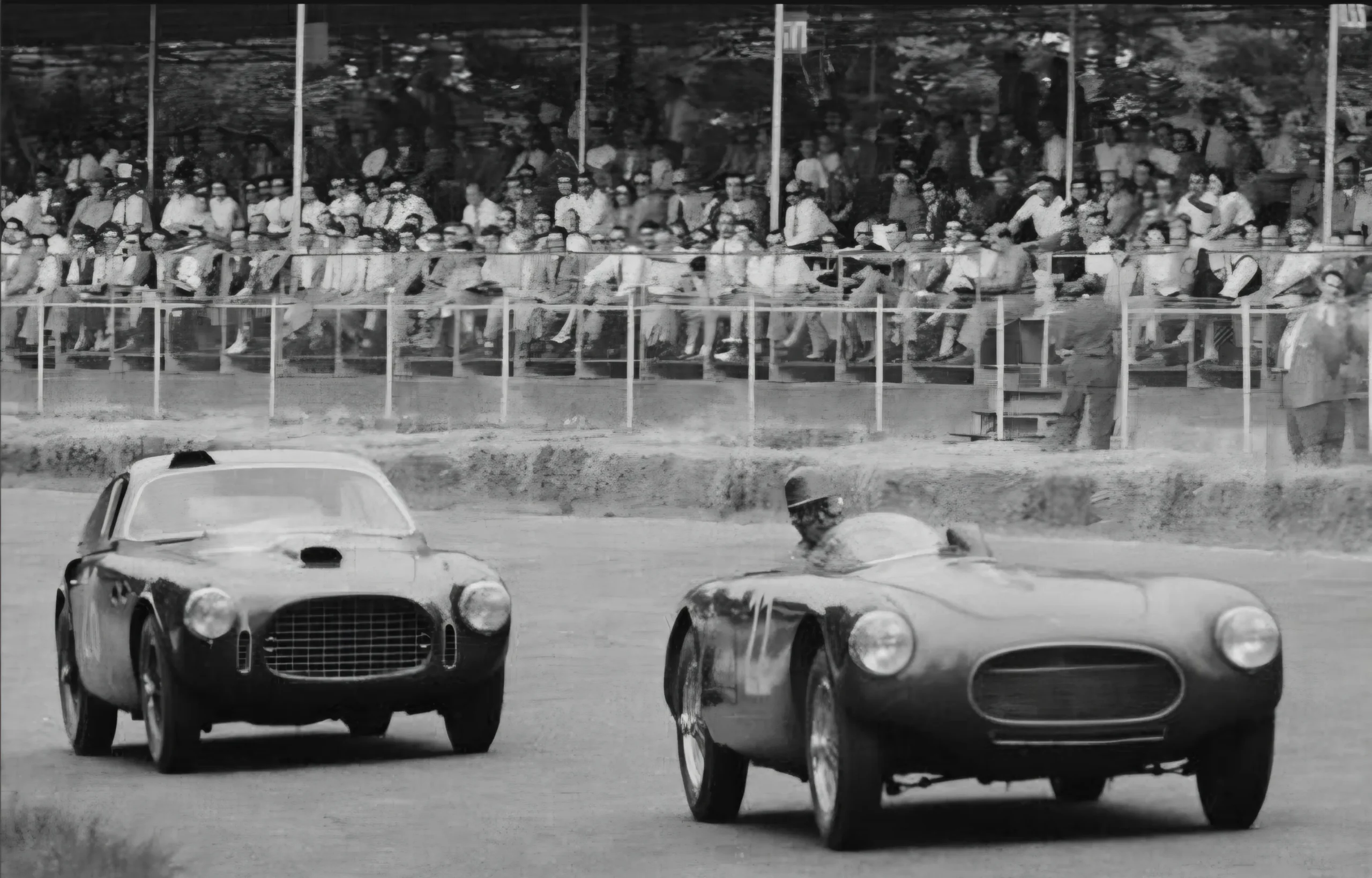
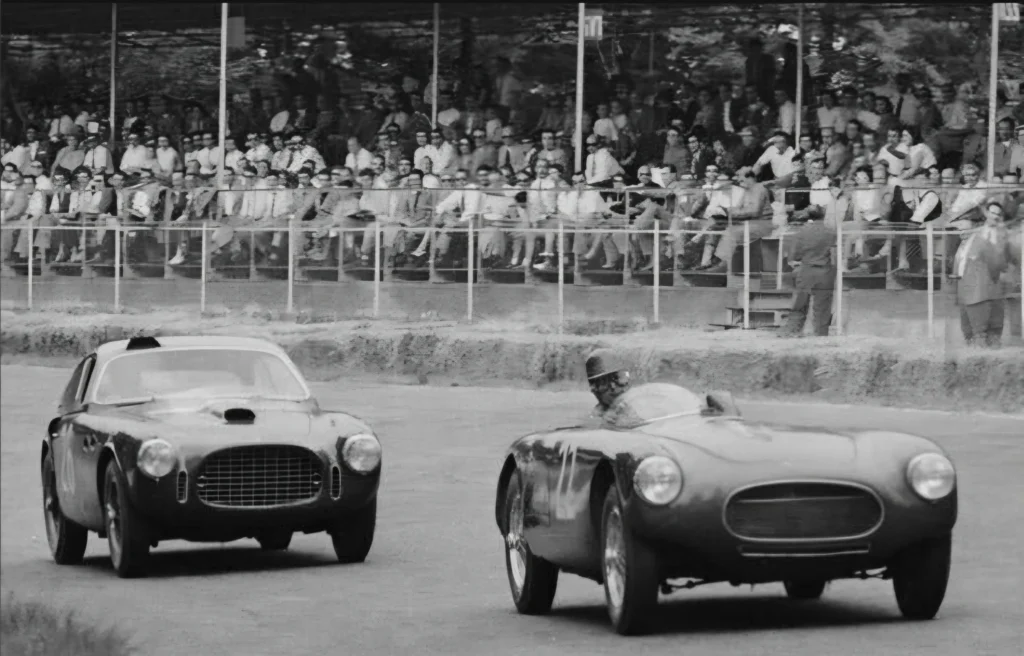
The 250 MM’s racing debut came at the 1953 Giro di Sicilia. Subsequently it competed at the Targa Florio, the Mille Miglia and the Gran Premio di Monza, where Luigi Villoresi took the first major European victory for the model. Furthermore, at the 10 Hours of Messina, five 250 MMs entered and dominated — a demonstration of total reliability and speed. At the Coppa d’Oro delle Dolomiti, all five entered cars reached the finish. Moreover, Phil Hill brought the model its first American victory at Pebble Beach. It was a baptism of fire, and the 250 MM passed with distinction.
Scuderia Guastalla
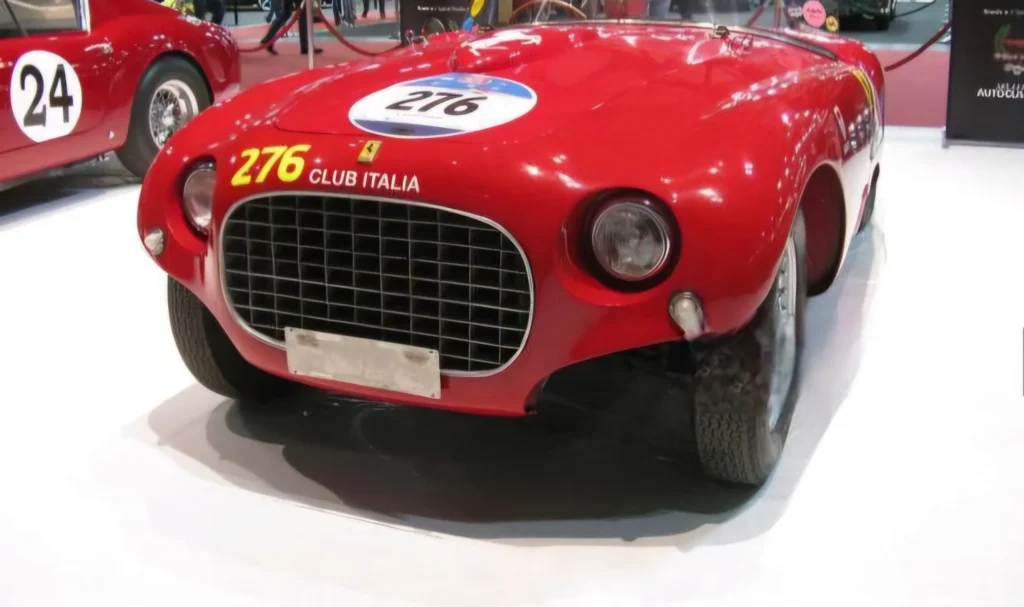
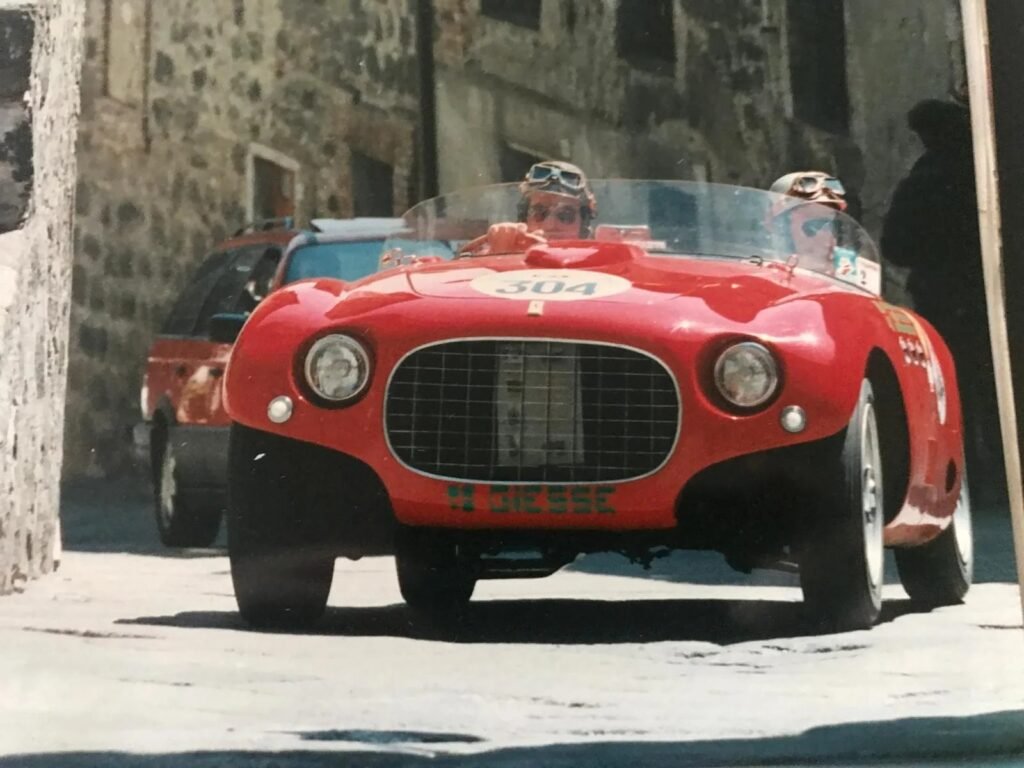
Upon delivery, this car entered the hands of Scuderia Guastalla, one of the most active Italian privateer teams of the early 1950s. It is a distinguished first chapter for any competition Ferrari. Furthermore, the car carries a FIVA identity card — confirming its historical identity and eligibility for the most prestigious concours and historic rallies worldwide. Its documentation includes Scuderia Guastalla delivery records, chain of ownership, and bodywork conformity to 1953 specification.
An International Career
The 250 MM’s career stretched far beyond 1953. In January 1954, a Vignale Spyder finished second overall at the 1000 km Buenos Aires. Furthermore, at the 1954 Mille Miglia, a 250 MM took fourth overall — one of the model’s strongest results in that race. The car continued to compete internationally through to 1962, across events in the United States, South America and Sweden. Moreover, Phil Hill added further American victories with the Santa Barbara Trophy and the Madera Road Race. Few models of the era maintained such enduring relevance at the highest level of competition.